info@iitagne.org

Event

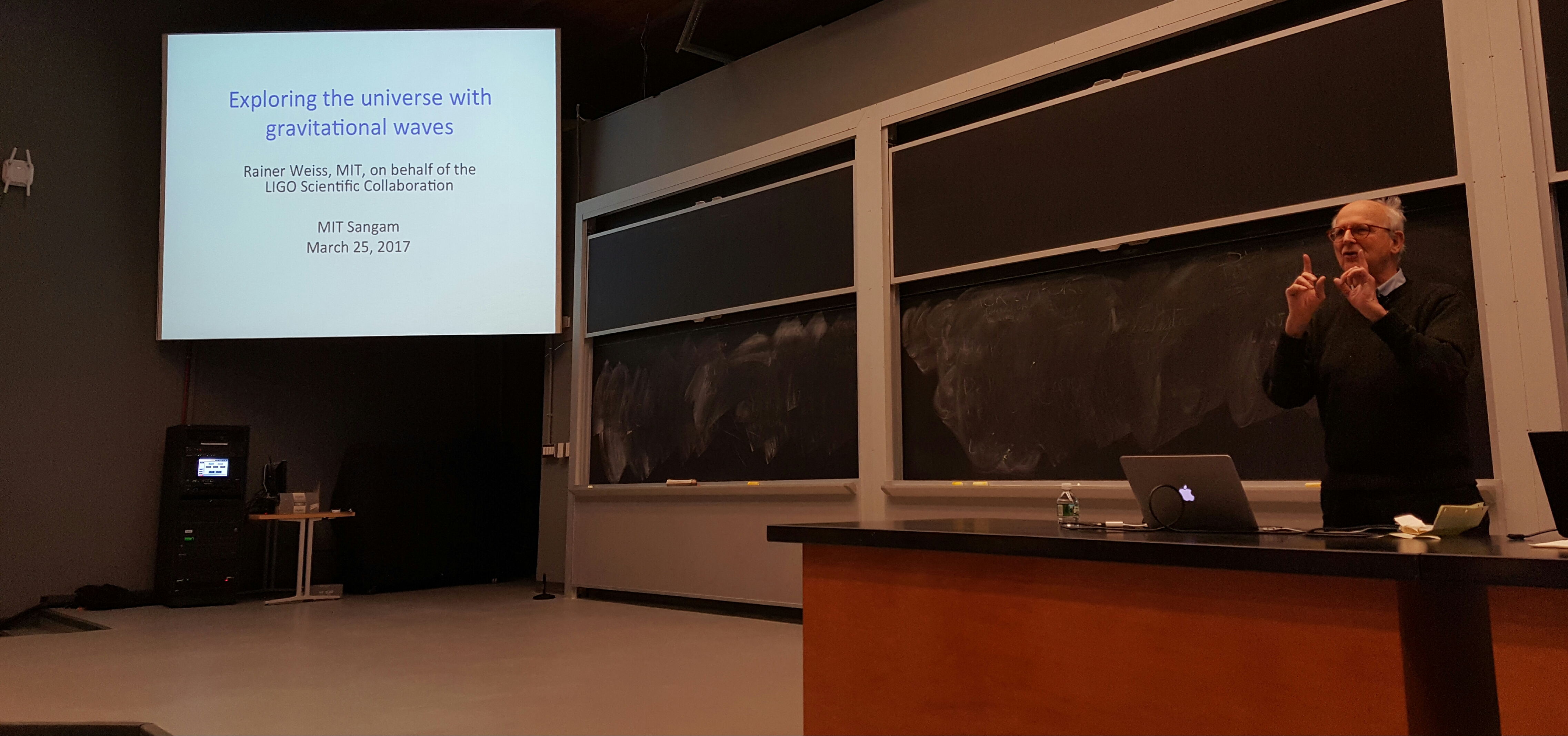
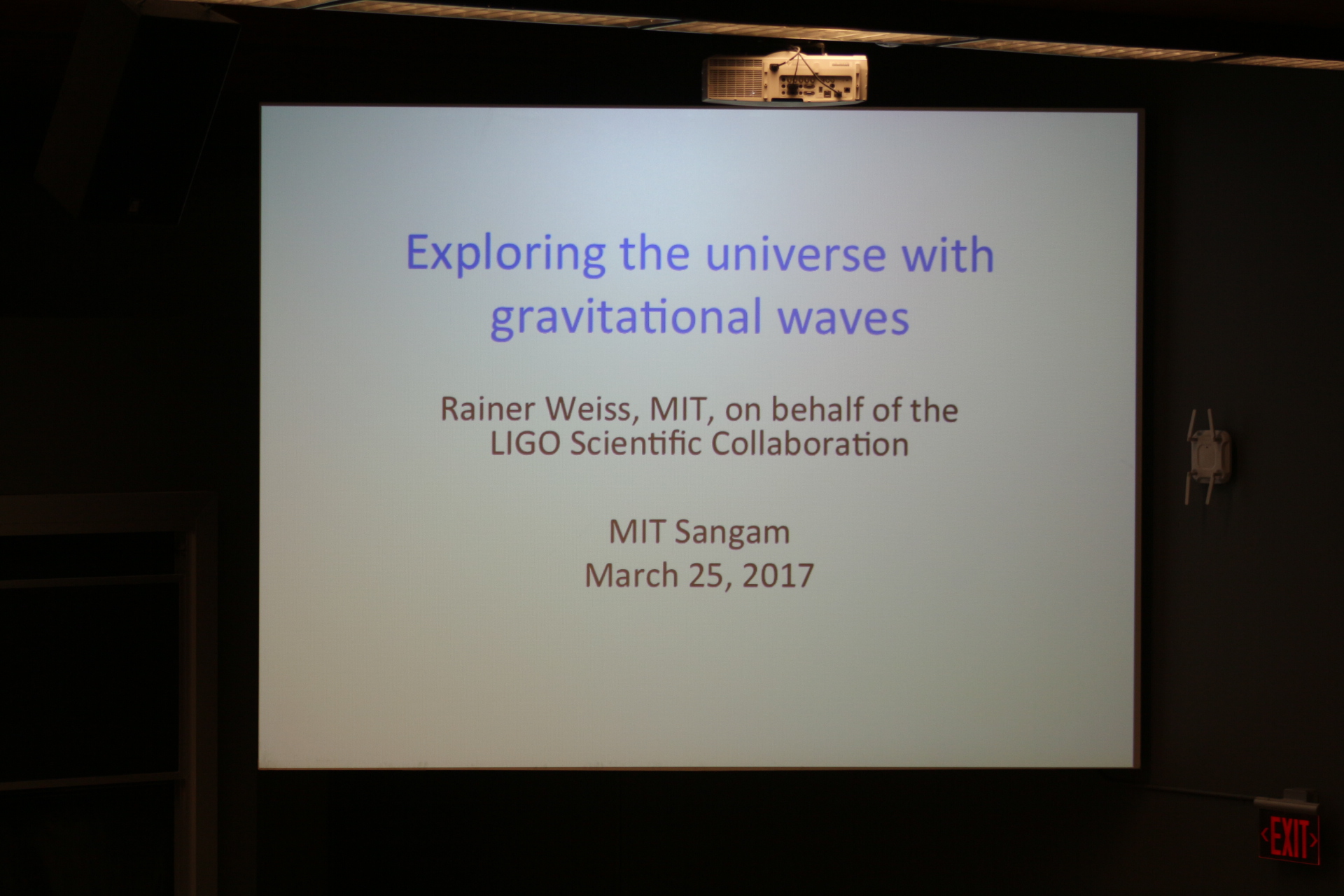
Exploring the Universe with Gravitational Waves

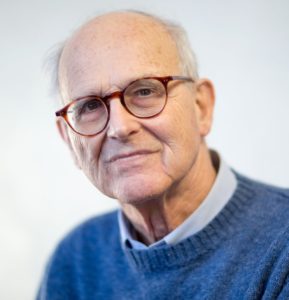
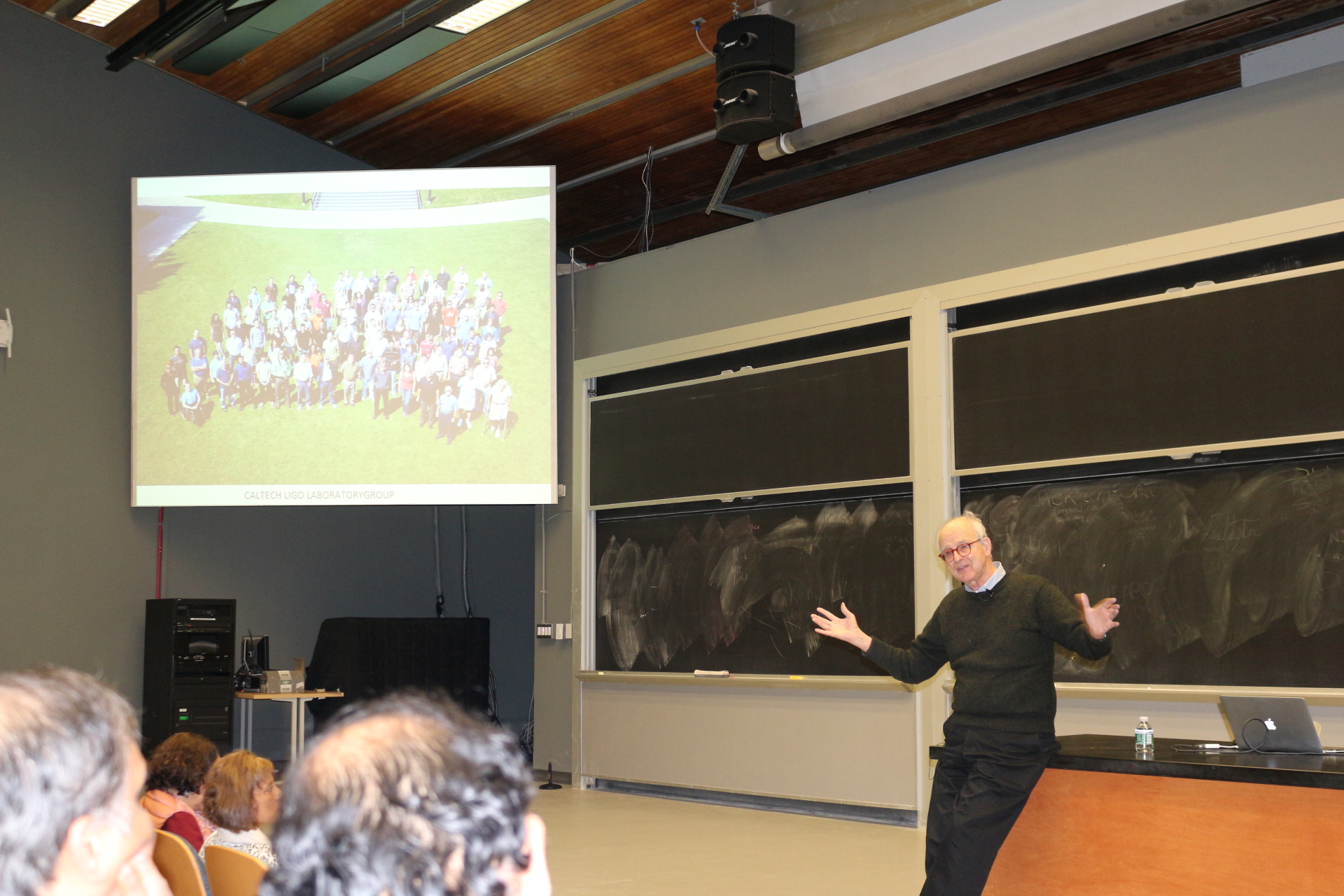
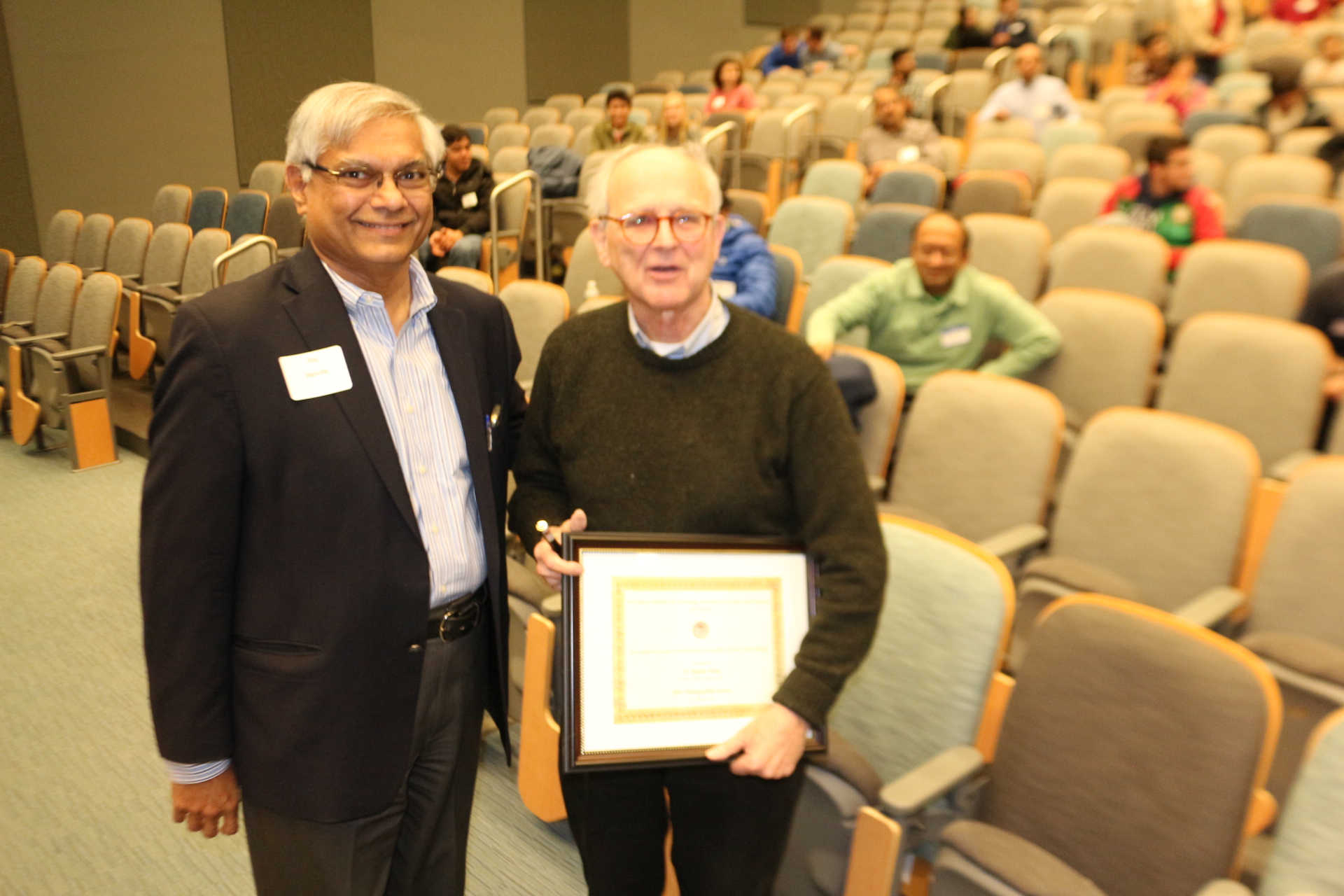
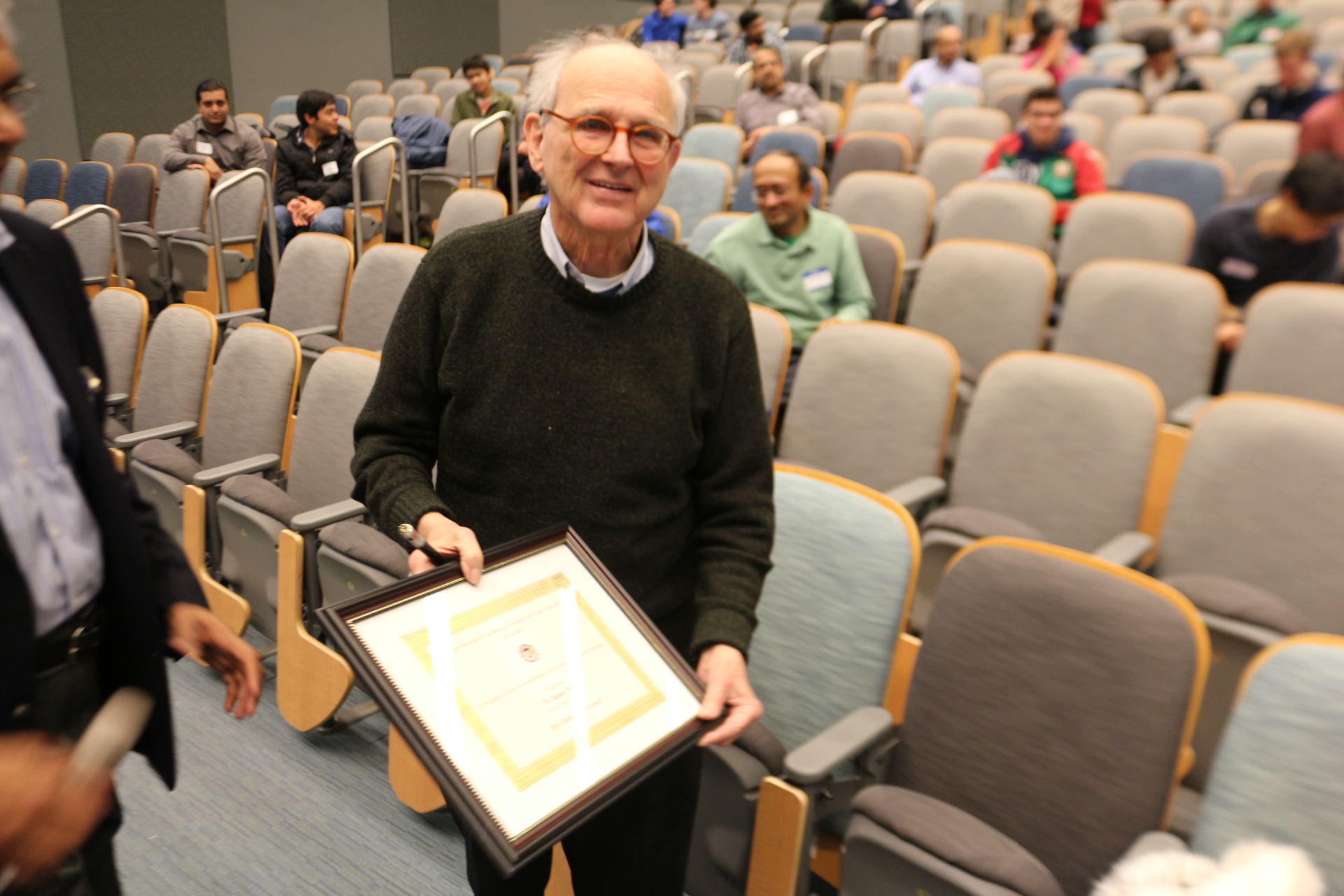
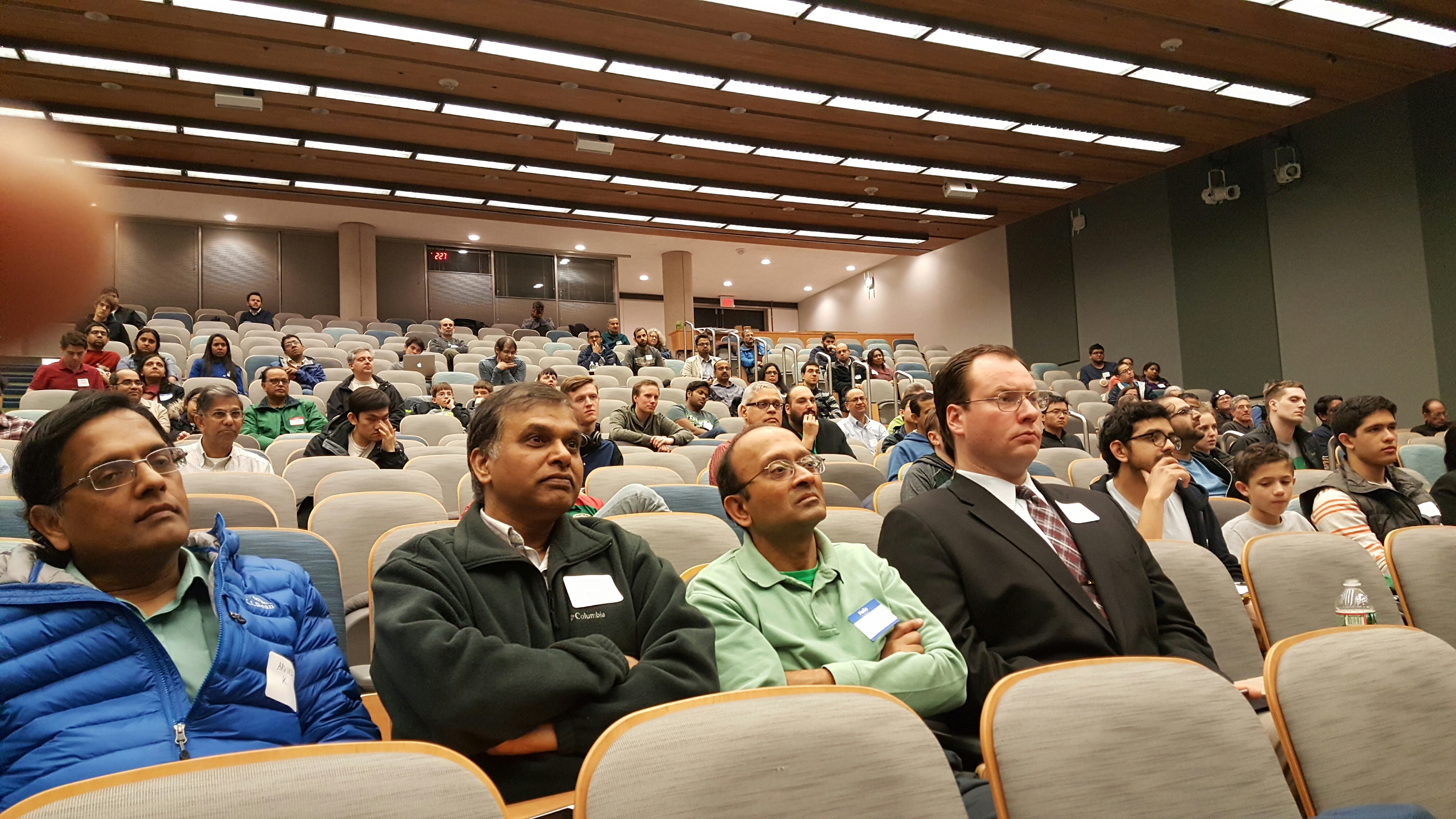
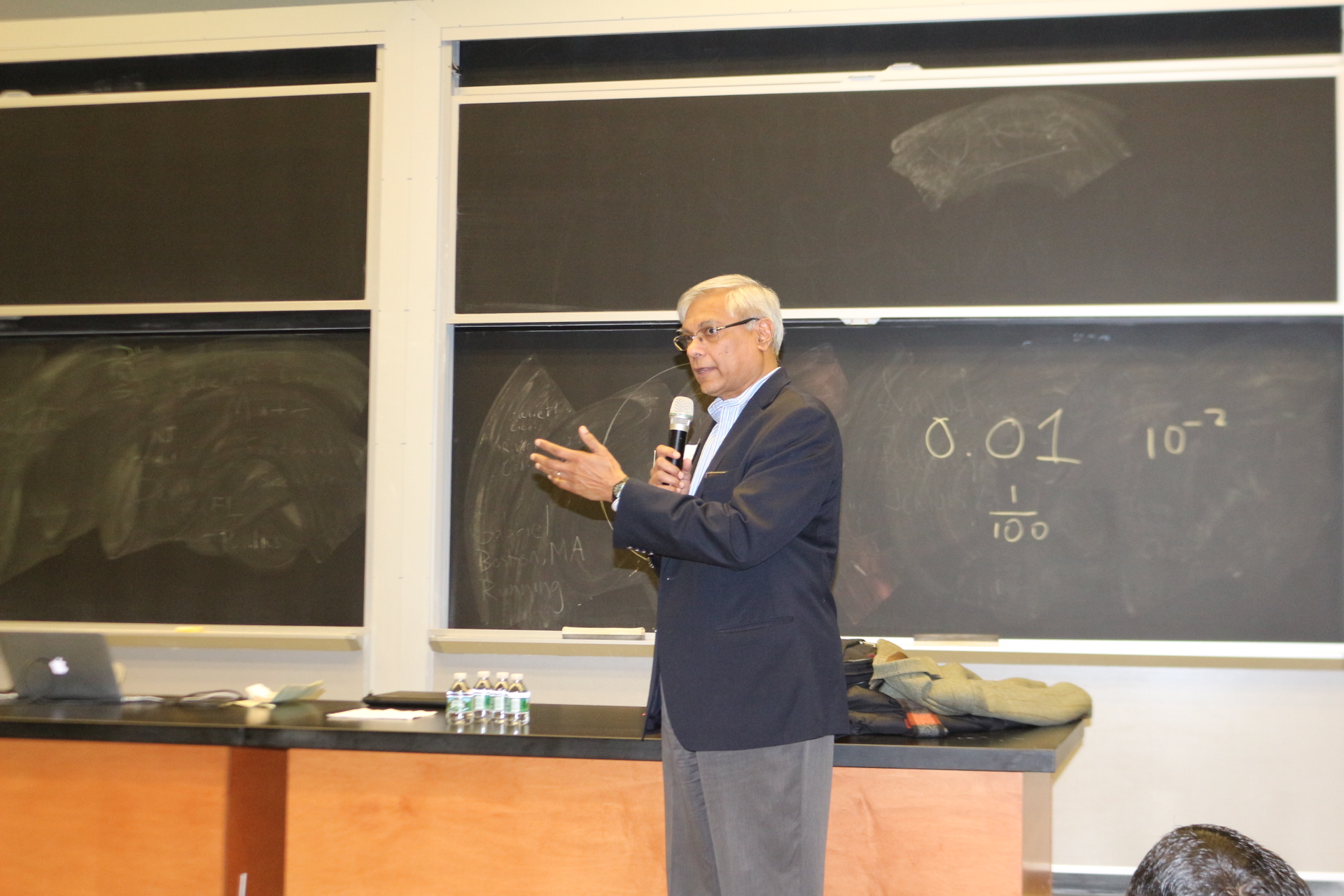
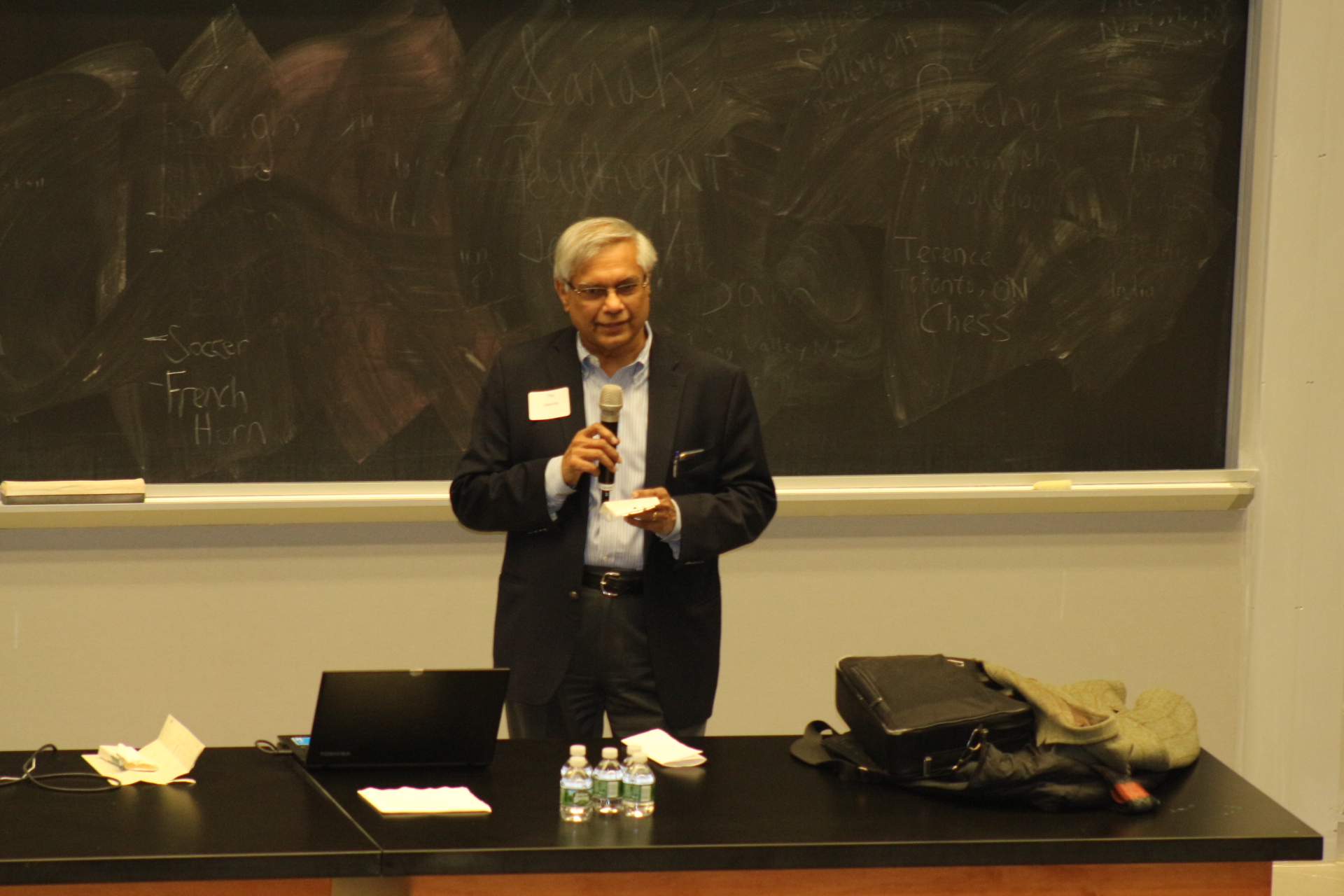
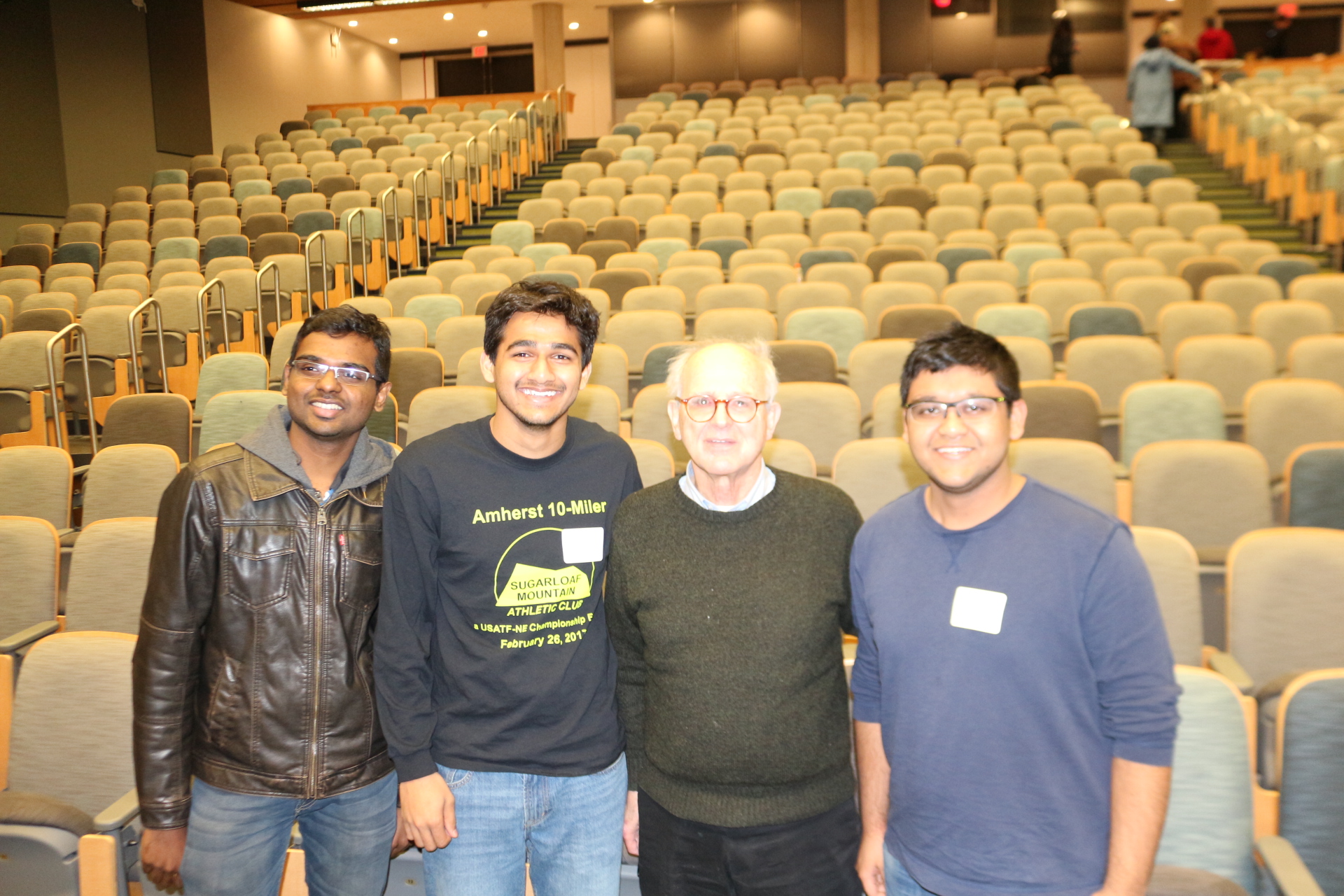
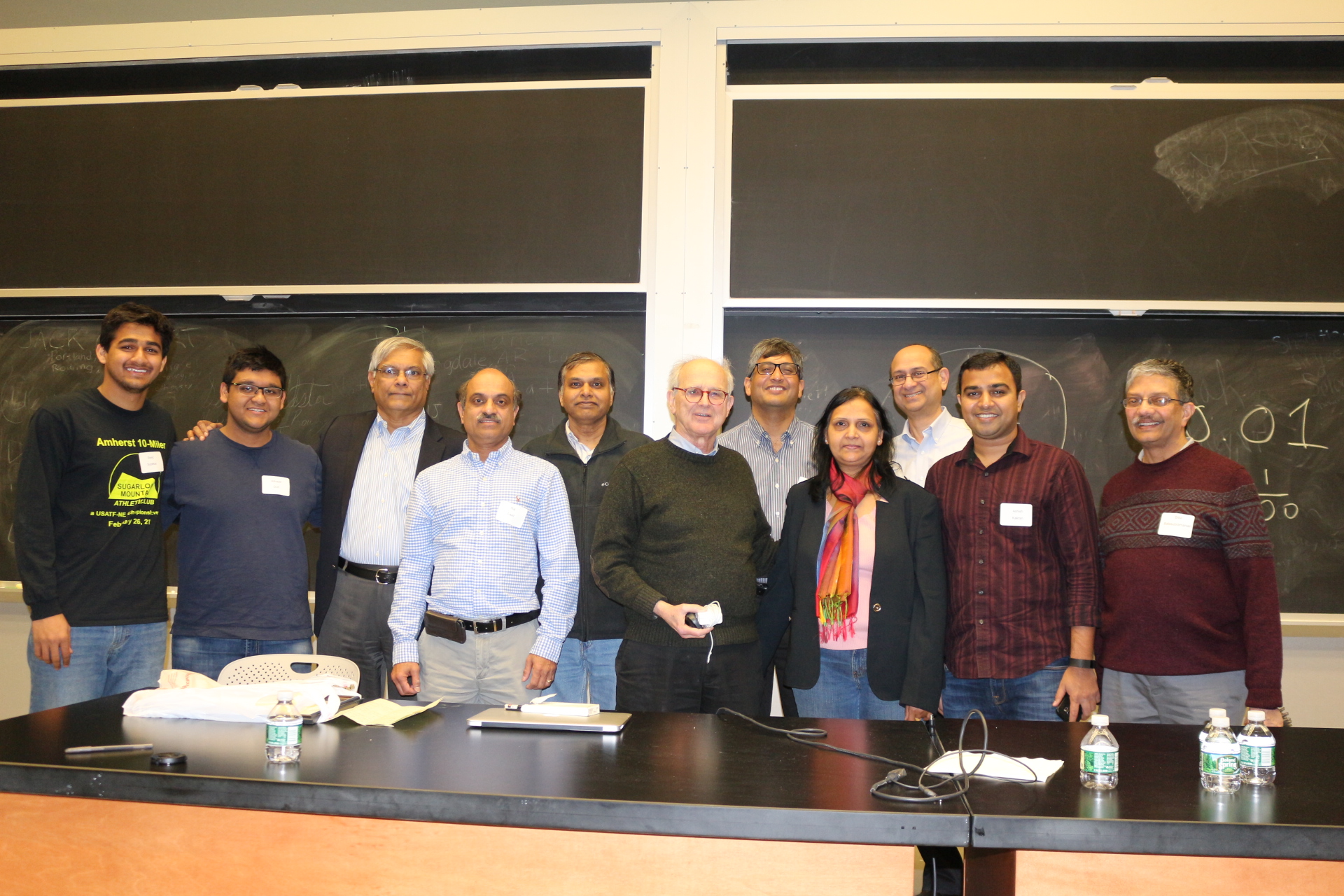
IIT AGNE was honored to have Dr. Rainer Weiss, Professor of Physics Emeritus at MIT to deliver the inaugural lecture as part of the newly announced IIT AGNE Distinguished Lecture Series. Dr. Weiss is an accomplished physicist who has been at the leading edge of cosmic discoveries. He was involved with the first atomic clocks, experiments to detect and quantify the cosmic background radiation and most recently has led the effort to detect gravitational waves using the instrument he invented – the Laser Interferometer Gravitational-Wave Observatory (LIGO). The following is a summary of his talk for those who were unable to attend. A copy of his slides and links to his talk will be available on the IIT AGNE website soon.

Over a hundred years ago, Einstein postulated the existence of gravitational waves as part of his general theory of relativity. Einstein’s theory upended centuries of scientific thought grounded in Newton’s laws of gravity. Einstein’s approach suggested that masses interacted due to the bending of space-time. As a byproduct, even the path of light was affected by gravitational effects from massive objects. This lensing effect was confirmed in 1919 through observations of the solar eclipse.  In addition, Einstein suggested that the interaction due to gravity could not happen instantaneously but would be effected through gravitational waves. Empirical observations helped confirm the existence of gravitational waves by observing the orbital decay of a neutron binary system. However directly observing the phenomena proved to be elusive.

In 1967, as a young professor at MIT, Rainer Weiss was asked to teach a course on general relativity. In an attempt to make the concepts more practical, he described a simple experiment that could potentially detect gravitational waves. His invention which would later become the Laser Interferometer Gravitational-Wave Observatory (LIGO) consisted of splitting a laser beam down two orthogonal arms, bouncing them back off mirrors at the ends and reflecting them back to a photodetector. Any slight variation in the mirrors position would be detected by an out of phase shift between the two reflected waves.

While simple in theory, the challenges to implement the instrument were daunting. To measure perturbations caused by gravitational waves, requires the instrument to detect changes in length one thousandth of the width of an atomic nucleus. Each arm of the interferometer had to be 4 kilometers long and had to enclose a vacuum tube at near absolute vacuum. Since the changes being detected were so small, latent vibrations from seismic or thermal noise had to be isolated and damped. The engineering behind the entire apparatus took nearly twenty years to complete and required the cooperation of over 80 institutions and 1000+ scientists.

Finally, on September 14, 2015 the detectors at the two LIGO sites in Livingston, Louisiana and Hanford, Washington both detected a slight chirp that was triggered by a gravitational wave generated by two colliding black holes a billion light years away. It took some time for scientists to verify the data but soon the LIGO Sites were detecting many such occurrences on a regular basis.

Plans for additional LIGO sites are now progressing that will help provide better location and detection capabilities. In India, several institutions are part of the LIGO Scientific Collaboration. The government of India has also committed to developing a LIGO site in the country and the Indigo consortium, consisting of several Indian scientific institutions including IIT Gandhinagar and IIT Madras, are working on the site plans. Prof. Weiss noted that there are several openings for interested scientists and technologists for that effort. More information may be found at http://www.gw-indigo.org

Read more

Exploring the Universe with Gravitational Waves – March 25, 2017

Einstein predicted gravitational waves within his theory of gravity, general relativity. It took 100 years to prove his theory. And the credit goes to Dr Rainer Weiss, Professor of Physics emeritus at MIT’s Department of Physics. Nearly 50 years ago, Dr Weiss dreamed up a way to detect these gravitational waves, infinitesimal ripples in space-time.

IITAGNE and Sangam are honored to have Dr Weiss talk about Gravitational Waves and the Laser Interferometer Gravitational-Wave Observatory (LIGO).


When:
Saturday, March 25, 2017, 2 – 4 PM
Where: MIT Building 26, Room 26-100.

Dr Weiss is best known for inventing the laser interferometric technique which is basic to the operation of LIGO.  Currently there are two operating LIGO’s, one in Louisiana and another in Washington.  Additional LIGOs are under construction, including a plan to build a LIGO in India.

Read more about Dr Rainer Weiss and his accomplishments in this ScienceMag article from AAAS. Also read this Washington Post article about the discovery.

Read more

Workshop on Managing Successful Career Transitions On November 09, 2016 at Tufts University, Medford, MA

Event: Managing Successful Career Transitions.

Host: IIT-AGNE-Women’s Group

When: Wed, Nov 9, 2016

Time:   6:00 -9:00 pm
6:00 -7:00 Network and Light Dinner
7:00  – Keynote talk
7:45 – 8:30 – Q&A

Where – Nelson Auditorium, Anderson Hall, Tufts University, 200 College Ave, Medford, MA 02155

Light Dinner Will Be Provided.

Cost: $5

To buy tickets please go to

http://www.lokvani.com/lokvani/cal.php?stage=1&event_id=13012

Why you should attend: You are a unique individual, full of energy and potential to follow and accomplish your dream career. Whether you’re just leaving school, finding opportunities limited in your current position or, like many in this economy, facing unemployment, it may be time to consider your career path. Sometimes it can seem very overwhelming to figure out which next step to take.  Our keynote speaker will help you think through your options and provide suggestions on resources to help you get to your goal.

Who should attend? : The event will be a women focused event. However all are welcome to attend.

About the speaker: 

Anjali Sidhu is a results-oriented Talent Acquisition specialist with vast years of progressive experience in Information Technology industry. She works on managing relations across businesses and Talent Acquisition teams, establishing ongoing relationships with hiring managers in order to understand their business and recruitment needs and fill their open positions in a timely manner. She is also works on effectively building talent communities through various channels; Social Media (LinkedIn, Plaxo, Facebook, Twitter, Blogs).

She will provide insights from her perspective as a hiring manager.


For more information please send email to

Mandy Pant  – Mandy.pant@gmail.com

Ranjani Saigal – ranjani.saigal@ekal.org


Read more

IIT AGNE Elections on November 19, 2016, 2.00-4.00PM @Burlington Public Library, Rm-Fogelberg, Burlington, MA 01803

The two year term of the present Board of Directors and the Executive committee of IIT AGNE expires in December 2016. The elections will be held during the General Body Meeting on Saturday, November 19. Please mark your calendar. The nomination for the election of office bearers are due by November 6, 2016.

When: November 19, 2016
Time: 2.00-4.00 PM
Where: Burlington Public Library, Rm-Fogelberg, Burlington, MA 01803

Please RSVP here if you would attend the election process. Its required for seating and snacks arrangements.

RSVP: https://www.eventbrite.com/e/rsvp-for-attending-iitagneelection-on-nov-19-2016-tickets-29269482811

The IIT AGNE elections will be conducted by the Election Committee comprising of Subhash Varshney, Ravi Rastogi and Anil Saigal.  IIT AGNE Thanks them for graciously agreeing to be on the election committee. They have communicated election rules, process and other details. You can also find below the same-

IITAGNE (Indian Institute of Technology Association of New England) will hold election for the next Executive Committee on November 19th, 2016.  We are seeking nominations for-

  1. President
  2. Executive Vice President
  3. Secretary
  4. Treasurer
and
Vice President*
Please read by-laws on the website.
Please e-mail your brief bio-data and the nomination to info@iitagne.org or rsrastogi@gmail.comor mr.asaigal@gmail.comor subhash.varshney@gmail.com.
The information should include;Mandatory Information-
  1. Name
  2. Name of IIT institution
  3. Year of graduation
  4. Department
  5. E mail address
Optional information-
  1. Phone No.
  2. Name of Organization where you work
  3. Designation
Please note that in order to seek any position you must be (i) an IIT alumnus or affiliated to IIT in academic or other professional capacity (ii) member of IITAGNE and (iii)be present during election process on November 19, 2016.  Only Life Members, Regular Members and Student Members are  eligible to run for any office position.
Read more

Volunteer Appreciation Event

In appreciation of the volunteers that helped the 2016 Leadership Conference, we are planning a party Stay tuned.

Read more

Summary-Our Connected World and 21st Century Medicine, May 21st, 2016, Cambridge, MA 02142

[srizonfbalbum id=1]

Our Connected World and 21st Century Medicine: Report


Can your insurance company figure out when to send a nurse to your aging parents living far away? Can a pathologist remotely access their lab results for a second opinion? Should you be worried someone might hack into their medication delivery pump? How is big data being used to develop that medication?

IIT AGNE conducted a fascinating panel discussion on the world of connected devices and big data; the differences they are making in the healthcare community, as well as the new security challenges that arise.

The event which was held on May 21, 2016 at the Cambridge Innovation Center included Moji Kashef, Senior Manager – Software Development / R & D, BD Medical; Yogesh Shinde, Vice President, Technology Engineering, OptumInsight / UnitedHealth Group and Shekhar Wadekar, Managing Member, coSlide LLC.

Moji Kashef started off with a description of the new security challenges that arise when medical devices and software are combined together in novel ways that open up vulnerabilities not seen before. Devices such as insulin pumps and pacemakers are implanted in millions of patients and are accessible to hackers in ways that are unforeseen. Commonly used medical equipment, such as intravenous pumps, is now network enabled to track location and for control.

Panelists:

  • Moji Kashef, Senior Manager – Software Development/R & D, BD Medical
  • Yogesh Shinde, Vice President, Technology Engineering, OptumInsight/UnitedHealth Group
  • Shekhar Wadekar, Managing Member, coSlide LLC


Brief Bio:

Moji Kashef, Senior Manager – Software Development / R&D, BD Medical
Moji Kashef has held 15+ years of leadership positions in software, test (V & V), system requirements, hardware, configuration and release management, and computer system validation (CSV) on various products. His accomplishments include: Delivery of software for Insulin Delivery Device & BLE enabled handheld controller (Work in progress) including Product Security Assessments, High Volume Automated Assembly System, high volume data analytics and storage system with web portals, High Resolution Vision Inspection System, Lab Automation, X-Ray Fluorescent elemental analysis instruments, medical visualization platform with single use endoscopy device, VoIP Media Gateway, Storage Network Processor, Airline Baggage Image-Screening Security, and various networking and connectivity architectures  (IoT). Moji has extensive working experience in establishing quality processes for Design Controls, Phased/Gated Development Life Cycle, FMEAs, vendor audits, CMMI, AAMI IEC 62304:2006, ISO 13485, ISO 14971, 21 CFR Part 11.

Yogesh Shinde, Vice President, Technology Engineering, OptumInsight / UnitedHealth Group
Yogesh Shinde has been working in the Healthcare Industry for over 8 years, leading software product development for  Healthcare applications at Optum including Analytics and other applications. Over these 8 years Yogesh has observed the industry significantly transform with significant adoption of EMRs, population health analytics, and coming together of Provider and Payers through ACO and other Risk Based models. All of this with significant contribution from software and other technologies including Mobile, Big Data and Cloud Computing.
Shekhar Wadekar, Managing Member, coSlide LLC
Shekhar Wadekar is the founder of coSlide, LLC, a company developing technology and delivering services for digital telepathology. He has previously served as President and Chief Executive Officer of AccelPath, Inc. a company focused on developing unique 3D optical imaging technology and telemedicine workflow. Prior to that he was President and CEO of Traxyz Medical, Inc., a development stage medical device company that successfully developed an FDA approved low cost stereotactic imaging system for breast biopsy localization. Dr. Wadekar served as an equity research analyst for eight years, following the semiconductor industry and was recognized as a Wall Street Journal “All-Star Analyst.” He was involved in numerous IPOs, and private placements for U.S. and Israeli technology companies. Prior to that, Dr. Wadekar was employed at IBM and worked on optical communications. He also was Technical Coordinator of the IBM/Siemens/Toshiba joint development program in semiconductor memory. He earned his Ph.D. in electrical engineering from the University of Delaware, an M.B.A. from the Stern School of Business at New York University, and a B. Tech from IIT Bombay in Metallurgical Engineering


Read more

Summary -Women Advancing STEM, Saturday, April 16, Cambridge, MA 02142

Women Advancing STEM Panel sponsored by IIT Association of Greater New England (IIT AGNE)

IIT AGNE, the IIT Alumni Association of New England held a panel discussion titled Women Advancing STEM on April 16, 2016 at the Cambridge Innovation Center in Cambridge, MA.  The panel was moderated by Rita Advani and featured Chitra Javdekar, Dean of STEM, Mass Bay Community College Kathy Vandiver, Director of the Community Outreach Education and Engagement Core at the Center for Environmental Health Sciences and Mondira Pant, Lead Technologist, Intel Corp.
The event opened with a welcome note by Ranjani Saigal, who shared information about IIT AGNE and the upcoming leadership conference on Aug 12-14.  IIT AGNE, an organization that was started by IIT Alumni, who drawing on their own background and experience in the STEM fields and realizing the importance of STEM education and awareness for the future of the country, created the organization to work within the greater New England community, amongst other things, to help raise awareness of the importance of STEM education and careers within the economy. The organization is not limited to IITians but welcomes everyone who may be interested in STEM.
“At IIT we had very few women.  While our numbers are limited, many of the IIT Alumni have gone on to create great impact in a multitude of fields. We are here today to celebrate the accomplishments of Women in STEM and discuss opportunities and challenges for women in the field of STEM” said Saigal.  IIT AGNE is hosting a leadership conference on Aug 12-14 in Rhode Island. Here is the link to the event. http://www.iitagne.org/. Mondira Pant is the co-chair of the IIT AGNE event. Other core team members of the women’s panel include Dr. Rukmini Vijaykumar and Durriya Doctor.
Rita Advani, the Director for Regional Programming for High Touch High Tech of New England moderated the panel. Each panelist spoke about their journey and talked about how being a woman has been an opportunity and a challenge.  Each journey outlined the influence of mentors in the life of the speakers. For most it was their father who encouraged them to become an engineer.  The panelists discussed the challenge of often being a minority and them needing to work harder than their peers. There were other stories on the positive side of how women could network with women at other institutions to have very productive projects.
The panelists felt strongly that girls in middle school are very important target for STEM educators. Kathy Vandervier used her experience as a science teacher to later on develop LEGO models that could easily explain the concept of DNA to younger students. Chitra Javdekar talked about the courses at community colleges, which could be an excellent opportunity for women who may consider switching into STEM careers. She also cautioned that a STEM career may not be the right option for every girl.
There were many youngsters who had a range of questions from how to engage in research and how to find internship opportunities in the STEM field.  There was a health discussion at the end of the session on how work place rules and attitudes can change to be more accommodative of women who may need to take maternity leave.
The discussions clearly indicated that there is much that still needs to be done if women need to play a larger role in the STEM field.
Panelist Bio’s

Chitra Javdekar

Chitra N. Javdekar is Dean of the Science, Technology, Engineering and Mathematics (STEM) at Massachusetts Bay (MassBay) Community College since July 2013. As Dean, she oversees various STEM departments at the College as well as grants, projects, and initiatives. Her office is responsible for managing budgets and activities such as industry collaboration that advance the College’s mission. In addition to developing new academic programs at the college for the college’s traditional and non-traditional student population, she has led the development of several new enrichment and STEM mentoring and outreach programs for K-12 and college students at MassBay in collaboration with community and higher education partners.

Prior to becoming the Dean, Dr. Javdekar served as Department Chair and Professor of Engineering at MassBay.  She holds a M.S. in Civil (Structural) Engineering from Mumbai University, India, and a Ph.D. in Civil (Structural) Engineering from Tufts University, Massachusetts.

Kathleen Mead Vandiver

Kathleen M. Vandiver is presently the director of the Community Outreach Education and Engagement Core (COE2C) for the MIT Center for Environmental Health Sciences (CEHS). She enjoys the position at MIT very much, because it uses both her training in biomedical research and in science education.   Kathy received her PhD from the Tufts Medical School (now the Sackler Graduate School of Biomedical Sciences) and became a principal investigator on NIH and NIEHS grants through the Small Business Innovative Research program (SBIR) in the mid-1980s.  The company earned an R& D 100 Award in MA. Then after several years, in preparation for a new career, she entered Harvard Graduate School of Education to earn a Master’s in Education.

Kathy taught middle school science for 15 years in the Lexington Public Schools before working at MIT.  Her career as an innovative science teacher began with a bold collaboration with her 6th grade Teacher Team at Diamond Middle School.  With Lexington Foundation funding, they produced a project-based curriculum called Horace’s Fridays.  Also while at Diamond Middle School, Kathy designed and developed cell biology manipulatives and lesson plans that were later sold to the LEGO Education Company.  These original models were created from standard LEGO bricks and components.   The key part of the innovation however, was that the models were designed simulate how molecules actually work and interact, unlike most molecular models that are designed as statues.  The Vandiver models can be used to simulate cell processes like DNA transcription and translation that are difficult to learn.  When Kathy joined MIT in 2005, she improved the models further and set up a unique gallery at the MIT Museum for teaching the molecular biology with the LEGO DNA and Proteins to people of all ages.  Kathy now holds an US patent with her husband, J. Kim Vandiver, for the development of the latest DNA and Protein versions that can now be mass produced and distributed.  The DNA sets were released in February this year and the Protein Sets will soon follow this summer.


Gitika Srivastava

Founder, Chief Executive Officer, Navya Network (startup for medical decision making) and Partner/Founder KAHM Capital

Gitika graduated in computer science from Harvard University and has an MBA from the MIT Sloan School of Management. She has over fourteen years of experience as an entrepreneur and investor in early stage high tech and health care companies. Gitika was the CEO of Skyris Networks, which was acquired by Draper Fisher Jurvetson’s Timberline Venture Partners. She holds patents in distributed networking, databases, and search technologies, and decision making. Gitika is a pre-career tutor for undergraduates at Harvard and an advisor to many start-up companies and young entrepreneurs. She is also a Partner at KAHM Capital – an early stage venture capital firm, investing globally in high tech and health care and Founder/CEO at Navya Network – a startup for medical decision making.

Mondira (Mandy) Deb Pant

Academic Research Director at Intel, Dr. Mondira (Mandy) Deb Pant, works with leading academic researchers worldwide and technical experts at Intel to seed and drive research efforts in strategic areas of importance to the computing industry. Her core area of expertise includes VLSI devices and circuits, architecture, systems, on-chip power delivery, power management and power reduction. She has published 20+ technical papers in prestigious VLSI conferences and journals, has 2 issued patents and 5 pending patents.

Mandy received her Bachelors (B.Tech) in Computer Science and Engineering from I.I.T Kharagpur, India, a Masters (MS) in Electrical Engineering and a Doctorate (PhD) in Electrical and Computer Engineering from Georgia Institute of Technology, Atlanta, GA.

Mandy is an active proponent of STE(A) M for Women and young girls and has participated in various efforts in promoting it across the nation. In 2009, Mandy was recognized by Mass High Tech (A Massachusetts High Tech Journal) as one of the top 10 upcoming Women to Watch in the New England area. In 2013, she was recognized by the India New England journal as one of the top 20 South Asian Women of 2013 in the New England area. She has recently risen to the role of Technical Chair for Intel’s biggest internal technical design conference.

She is a proud Mom to two young girls ages 14 and 11 and is an avid reader, traveler, dancer and yoga enthusiast.

Rita Advani (Moderator)

Rita Advani is currently the Director for Regional Programming for High Touch High Tech of New England (www.ScienceMadefunNE.net ), an organization bringing science enrichment programs to students in PreK – Grade 8 throughout Massachusetts and Rhode Island.  She is also the President of Bush Pond Ventures, LLC an organization focused on increasing science literacy for PreK-Grade 12. She has developed an extensive science curriculum for preschool age students and a course to teach preschool educators on how to teach science to preschool age children. The course is accredited by MassAEYC (the Massachusetts Association for the Education of Young Children).

Rita also has over 30 years of experience in marketing strategy, global product management and emerging markets development, in the supply chain, healthcare and loss prevention engineering services industries.

Her civic engagement included election to the Town of Norfolk School Committee, appointment as Chair of the Energy Committee for the Town of Norfolk and appointment to a commission on education finance for the Commonwealth of Massachusetts.  As part of her interest in the field of home health care, she currently serves on the Board of the VNA Care Network & Hospice Foundation in the Atrius Health alliance.

A resident of Boston, she has an MBA from the Indian Institute of Management in Kolkata, India and is an avid photographer

Read more

Summary-Boundary-less Education: Connect, and Collaborate to Transform Education,

Boundary-less Education:  Connect, and Collaborate to Transform Education

It is no longer business as usual in the education field!   The blurring and dissolution of boundaries is a necessary condition for achieving the goals of education today, be it to meet the rapid development agenda of nations that require expanded access and quality, or be it the need for increased agility and relevance to address rapidly changing skills requirements of the marketplace. Can we provide quality education at scale and relevant to the demands of an effective workforce, while fostering new opportunities for entrepreneurship and venture?

IIT AGNE conducted a symposium on March 5th, 2016 which brought a panel of experts, thought leaders and practitioners from academia and industry to illuminate some of the transformative opportunities presented by the blurring of boundaries in education, as well as the systemic “readiness” conditions for success.

The discussion was chaired by Dr. M.S. Vijay Kumar, Associate Dean & Senior Strategic Advisor for Digital Learning at MIT and included Professor Christopher Dede, Timothy E. Wirth Professor in Learning Technologies at Harvard University; Sanjay Sarma, Vice President for Open Learning, MIT; Jean Hammond, Co-founder and partner at LearnLaunch and Dr. Tinsley Galyean, Executive Director, Curious Learning.

Vijay Kumar opened the discussion by framing the themes to be addressed by the panel. As the world’s population increases by the billions, countries need to consciously start acting to scaling up education to train very large numbers of people and give them the tools to succeed in a global agile economy to meet the challenges of a rapidly changing world. This true of primary education, where millions of people are still left behind; and it is true of higher level or tertiary education, where the costs of a traditional college education are becoming prohibitive. At the same time, there cannot be compromise on quality and the skills and knowledge imparted have to equip the students to be flexible, innovative and entrepreneurial in their approach. It is very clear that Technology is going to play an increasingly critical role in reinventing education for the 21st century.

Sanjay Sarma, who leads MIT’s open education initiatives, made the point that the classroom system of education is an industrialized system of training large number of people in the shortest possible time to be productive citizens, developed in the 19th century as the world began transitioning from a rural agrarian to urban industrial economy. But it does not fit how human beings learn, where learning on a topic grows slowly but steadily with time, then accelerates to reach a peak, before declining. In addition, we are motivated by having constant positive feedback and knowing the bigger picture in terms of learning goals and complex concepts.

Constant and ongoing testing promotes learning by weeding out superficial knowledge as we have to think about what we learnt and strengthen conceptual understanding. The modern education system fails in this respect by only focusing on the peak learning and using tests as a final measure of success. A new educational system has to succeed by customizing to the actual process by which human beings learn and use testing to reinforce and support the learning process.

Professor Worth Dede talked about the role of technology in enabling curiosity-driven learning in children. He showed videos of children learning about the human impact on the environment by exploring a 3-D world that included a housing development with fertilizers sprayed on lawns that impact the ecosystem of a pond/lake, which can be measured over time. This is reinforced by taking groups of children to a real pond, where they can explore the impact by taking actual measurements. The children use their natural curiosity to explore and learn by doing tasks in a problem solving context in both an artificially constructed game and the real world.

Jean Hammond, a successful technology executive and serial entrepreneur, runs LearnLaunch, a technology incubator for Ed-Tech startups in the Boston area. She described the significant opportunities for entrepreneurs in creating new technology that can be used to promote, measure and reinforce learning on a very large scale. Entrepreneurs are needed to exploit new trends such as gamification, self-paced learning and authenticated learning/testing. There is now significant private and public investment in creating and encouraging the use of education technologies, though venture capital investment is relatively low compared to other fields.

Finally Dr. Tinsley Gallean showed videos of young children with no access to education, living in remote communities and slums in Africa, who were provided tablets loaded with educational apps for young learners and left with no instruction. The children took only a few minutes to collectively experiment and find out how to turn them on, then in a few months proceeded to use the apps to master the alphabets and numbers. Within a year, four year olds were using the tablets together with the loaded music app to create music in novel ways. These children were roughly at the same level as their counterparts who were in a formal education system. This shows that the natural inventiveness and curiosity of children can be harnessed to enable young learners who have little access to formal education to catch up with their more fortunate peers.

This discussion was followed by a lively discussion with an informed audience that focused on topics such as the cost of learning, downsides of an educational approach scaled to large numbers and the possible limitations and flaws of the emerging educational systems.  Overall the presentations and the discussions highlighted the significance of transcending traditional boundaries  between disciplines, research and learning  as well as the physical and the virtual for seeking innovative solutions to advance quality educational opportunity.

Read more

Transformational Technologies of Tomorrow: Converging AI, Big Data and Robotics, Held on 23rd January, Havana Conference Room, Cambridge, MA 02142

A Panel Discussion on the Convergence of Artificial Intelligence, Big Data Analytics and Robotics technologies and implications held on 23rd January 2016, 2.004.00 PM, Cambridge Innovation Center, 1 Broadway, Cambridge, MA

Distinguished Panel & Speakers:
1. Subrata Das, President and Chief Scientist, Machine Analytics
2. Suchit Jain, VP Strategy & Community, Dassault Systemes SOLIDWORKS Corporation
3. Ashish Nadkarni, Program Director, Enterprise Servers and Storage, International Data Corporation
4. Stephen O’Dea, Senior Program Manager, Remote Presence, iRobot Corporation

IIT AGNE held the third event in the run up to Leadership Conference 2016, with the theme “Leading transformation for a better tomorrow: Technologies that lift the human spirit”.

Today we google the question that just popped in our head using Siri, set our thermostat using a smartphone and book a ride to the airport on Uber, as Roomba cleans our living room floors.

What about dreaming of living in a Smart home equipped with smart appliances, going to the office or on vacation in a driverless car, playing with a smart basketball and riding on a bike with a Smart helmet, monitoring the health of your elderly parents or family while you are on a business trip, and infusing fashion with smart technology embedded in a dress?

Technologies like Artificial Intelligence, Big Data, IoT and Robotics are no longer exclusive to the purview of research labs or capital intensive manufacturing environment. Increasingly, tools and knowledge based on the ideas in these domains are becoming common place and fundamentally transforming our lives, the nature of our work, our thinking and our work schedules as well. The sharing economy based on these technologies, pioneered by companies like AirBnB and Uber, has opened up a whole host of options for us as producers and consumers.

How is the landscape changing within these domains of knowledge? How are they enhancing our understanding of ourselves, our society and the different environments we function in? How is technology impacting us as individuals, our workplaces and society as a whole?

At the same time as new solutions and technologies are harnessed to relieve our pain points, we are facing a different set of challenges arising out of these applications.


Read more

2016 Leadership Conference Volunteer Meeting, Saturday, Mar 19, 2016, 9:00 AM-11:00 AM, MIT, 77 Mass Ave., Cambridge, MA

To plan and prepare for this conference we are organizing a series of volunteer meetings. These meetings will be joint sessions of all teams – Operations, Marketing, Finance, Sponsorship, Web/IT, Women@IIT. The first part of the meetings will allow the teams to update all the volunteers on progress to date. Following that, we will break up into separate meetings for the individual teams to work on their plans. While all the teams have some people already helping with this endeavor, we need more volunteers to join us. Please attend these meetings and join in this effort. Please spread the word among your friends and colleagues and invite them to join. All are welcome.

The meetings will be held on the 1st and 3rd Saturdays of the month. They will alternate between MIT and Tufts locations. We will send reminders the week of the meeting with details including location.

MIT

Building 5. Rooms 5-217, 5-231, 5-232, 5-234

77 Mass Ave.,

Cambridge, MA

Read more